

 |
When Your Skills Meet the Moment |
The opportunities you prepare for may not arrive exactly when you expect. They may come through a new assignment, an unexpected responsibility or a workplace challenge that requires you to apply what you have learned. As the final quarter of 2026 approaches, professionals have an opportunity to review their progress, assess their capabilities and prepare for what lies ahead. Professional growth is not simply about acquiring new skills. It is about recognising when those skills are needed and putting them to work.
Prepare Before Opportunities Arise
Many professionals wait for a promotion or new responsibility before developing the skills required to handle it. However, preparation is more effective when it begins before the opportunity arrives. Identify the capabilities your career goals require. These may include communication, leadership, problem-solving, digital skills or project management. You may not know when you will need them, but developing these skills early gives you time to practise, build confidence and understand how to apply them. Preparation is not about predicting every opportunity. It is about developing the capacity to respond when circumstances change.
Recognise Opportunities in Everyday Work
Career development does not happen only through promotions or major assignments. Everyday responsibilities can provide valuable opportunities to learn and demonstrate capability. Improving a reporting process, helping a colleague solve a problem or taking ownership of a task can strengthen your skills and build experience. Instead of asking only what you are required to do, consider what you can improve, what you can learn and where you can contribute more effectively. You do not have to wait for a new job title before developing the capabilities associated with your next level.
Take Ownership of Your Development
Your organisation may provide training, guidance and feedback, but you also have a responsibility to identify and address your development needs.Examine your current role and future career goals. Which skills do you use confidently? Which require improvement? A professional seeking management responsibility may need to develop delegation, decision-making and conflict-resolution skills. Someone in an administrative role may benefit from strengthening digital productivity, coordination and records management. Once you identify a gap, take practical steps to address it. Explore relevant training, seek guidance, practise the skill and request feedback. Professional development becomes more effective when learning goals are connected to specific workplace needs.
Move Beyond Hesitation
Recognising the need for improvement does not always make taking action easy. You may postpone training, hesitate to share an idea or avoid unfamiliar responsibilities because of uncertainty. However, confidence often develops through preparation, practice and experience. Start with manageable actions. Research a training programme, contribute an idea at a meeting or volunteer for an appropriate assignment. Taking initiative does not mean acting beyond your authority. It means recognising where you can contribute constructively and taking appropriate steps. Progress often begins with small, consistent actions.
Apply What You Learn
Completing a training programme is not the end of learning. Its value becomes clearer when new knowledge improves workplace performance. Before training, identify a challenge where the learning could be useful. Afterward, determine how to apply the knowledge. A time-management course might help you prioritise tasks more effectively. Leadership training could improve how you delegate or provide feedback. Practising new skills, seeking feedback and reflecting on results help turn learning into lasting improvement. Ask yourself: What will I do differently because of what I have learned?
Make the Final Quarter Count
As 2026 enters its final quarter, review your professional development goals. Identify what you have accomplished, what remains unfinished and which skills still need attention. Rather than attempting everything at once, prioritise one or two realistic goals. Create an action plan, identify the resources you need and track your progress through completed training, improved skills and workplace contributions. You may not accomplish every goal before December, but deliberate progress can help you finish the year with a clearer development plan for 2027.
Your Professional Development Challenge
Before the final quarter gets underway, ask yourself:
- What skill have I developed this year but not fully applied?
- What workplace responsibility could help me strengthen it?
- What professional development goal can I realistically pursue before the end of 2026?
Choose one practical action and begin this week. It could be enrolling in relevant training, seeking feedback or creating a plan to improve a specific capability.
Final Thoughts
Professional growth is an ongoing process shaped by the skills you develop, the responsibilities you embrace and the knowledge you apply. The opportunities ahead may differ from what you expected at the beginning of the year. However, you can still decide how you prepare, contribute and improve. The final quarter is an opportunity to strengthen your capabilities, evaluate your progress and prepare for future responsibilities.
Keep learning. Apply what you know. Make the final quarter count!
| Tags: | Professional Development Skills Development Career Growth Workplace Learning Career Advancement |
Join the conversation
Related Articles

|
Nigeria Introduces Levy on Wheat GrainReport Highlights: Effective July 20, 2012, the Government of Nigeria (GON) introduced a 15-percent levy on wheat grain imports resulting in an increase of the effective duty from 5 percent to 20 percent. The GON also introduced a 65-percent levy on wheat flour imports to increase the effective duty [Read more]
|
Posted: 15 years ago |

|
The Emotionally-Intelligent ManagerDespite the fact that emotional intelligence has been heavily criticized within the scientific community, substantial evidence still supports its relevance in the workplace. Emotional intelligence has been linked to career success across various fields of endeavor and its importance will most likely [Read more]
|
Posted: 9 years ago |
|
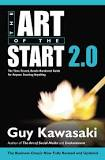
The Art of the StartI use a top-ten list format for all my speeches, and I would love to begin this book with a top-ten list of the most important things an entrepreneur must accomplish. However, there aren't ten there are only five,
Great Ideas for Starting Things
Make Meaning. The best reason to start an [Read more]
|
Posted: 17 years ago |

Management Challenge
Quote of the Day
Featured Video
Searching for Management Training Courses? Local or International?