

 |
Discipline as a Motivational Tool |
It is never a nice thing to dismiss people for poor performance or for transgressions of disciplinary rules. Many managers dread having “The Disciplinary Conversation” with a member of their team. They will:
- Ignore behavior
- Be in denial that there is an issue
- Take a small “stab” at the issue hoping for a result
- Move the person onto another department
- Make the person feel unwanted
- Use sarcasm to make a point
None of which is helpful for the staff member, the team or the reputation of the manager and his/ her organization. It certainly does nothing for increased performance and results.
The good news is that we can use the disciplinary process as a motivational tool, when used with care, empathy and a good degree of determination.
There is a 5-step model for having “The Disciplinary Conversation” that managers may find helpful, however there is an important step everyone should take before embarking on this effective disciplinary process. Take legal advice first and let them know what you intend to say and do. Respect your country's employment law when you come to implement the steps.
The approach to take is to first:
- Pinpoint the behavior you want - Nail exactly what is required and write this in your records and for clarity during your conversations
- Record the facts - Record facts, not hearsay, input from others should be based on unemotional details, not points of view
- Involve the person - Ask them what they think. It is easy for the manager to be judge and jury, resist the urge to jump to conclusions
- Coach the person - Make the person understand the situation and their behavior so that they value your intervention and realize that you are by their side, wanting and supporting their success.
- Evaluate progress - Hold regular stewardship interviews to ensure they are on track. Be a cheerleader for their successes, big and small.
Enjoy this article? Feel free to share your comment, idea or opinion in the comment section
| Tags: | Discipline Motivational Tool |
Join the conversation

Related Articles
|
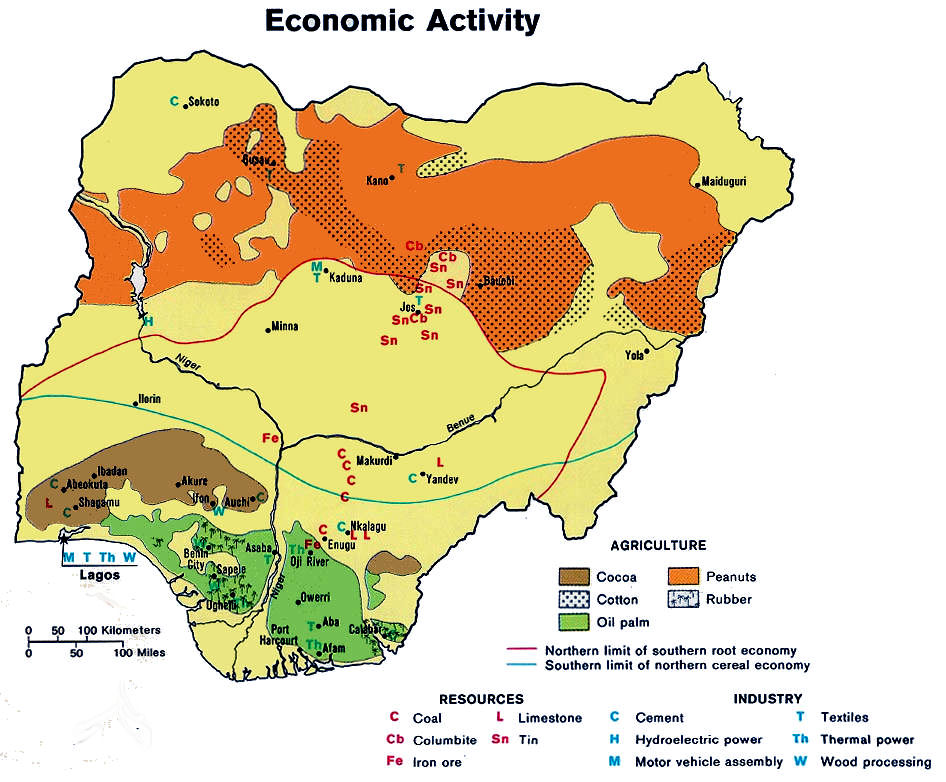
Reality Check on Fiscal Policy in NigeriaAbstract: The fact that the 2014-2016 MTEF projects that an increase of N17 trillion in nominal GDP between 2012 and 2016 will be accompanied by a decline in nominal Federal Government revenue and spending suggests that Nigeria’s fiscal policy has disconnected from economic reality. Urgent ste [Read more]
|
Posted: 14 years ago |

|
Five Effective Strategies for Delegating Better and Achieving Set GoalsOne of the many skills you must possess as a leader is delegation. The ability to effectively share your workload amongst employees to achieve set goals is imperative to maximizing productivity and ensuring a work balance.
However, delegating can be hard, especially when you’re used to gett [Read more]
|
Posted: 8 years ago |
|
A Closer Look at Nigeria’s Economic PerformanceUncertain Performance - Just how well is the Nigerian Economy performing? In the absence of a holistic report articulating the economic performance of Nigeria, no one could claim to know. There are only a lot of partial views on different aspects of the economy being expressed by different governmen [Read more]
|
Posted: 14 years ago |

Management Challenge
Quote of the Day
Featured Video
Searching for Management Training Courses? Local or International?
Follow us on social media
Download Quarterly Guide
