

 |
Cultivating a Growth Mindset |
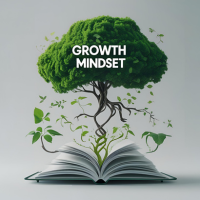
In today’s dynamic and increasingly complex professional landscape, one trait stands out as a defining factor for long-term success: a growth mindset. At its core, a growth mindset is the belief that talents, intelligence, and abilities can be developed through effort, learning, and perseverance. This mindset transforms the way we approach challenges, process failure, and measure success.
Changing Self-Talk and Seeking Solutions
Cultivating a growth mindset begins with recognizing that ability is not fixed progress is possible through effort, learning, and resilience. Where a fixed mindset limits potential by focusing on perceived limitations, a growth mindset encourages continuous improvement, especially in the face of challenges.
By actively shifting negative self-talk into empowering language and focusing on actionable progress over perfection, professionals can unlock motivation and innovation. Developing supportive routines, reframing setbacks as learning moments, and experimenting with new approaches without fear of failure all help build psychological resilience and forward momentum.
Embracing Setbacks as Springboards
Learning to accept setbacks is not merely about resilience—it’s about redefining what obstacles represent. With a growth mindset, setbacks are not roadblocks, but road signs pointing toward areas for development and deeper learning.
Rather than viewing failure as a reflection of inadequacy, individuals with a growth mindset see it as valuable feedback. This mental shift fosters motivation, optimism, and the resilience required to keep pushing forward—even when outcomes fall short of expectations. It allows professionals to remain purpose-driven, continuously adjusting their approach until progress is achieved.
Remaining Open to Feedback and Recalibration
An integral aspect of cultivating a growth mindset is developing the willingness to receive and act on feedback. Constructive feedback becomes a tool, not a threat—offering insights into blind spots and enabling refinement of both strategy and execution. When individuals embrace feedback with humility and curiosity, they position themselves to accelerate learning and refine their path to success.
A growth-oriented professional not only accepts feedback but seeks it actively, knowing that feedback is one of the most direct channels to improvement and advancement.
Recognizing and Appreciating Progress
One of the most empowering ways to nurture a growth mindset is by consistently acknowledging progress. Recognizing incremental wins, no matter how small, reinforces the belief that effort yields results. This fuels intrinsic motivation and helps build momentum—even in the absence of immediate or major outcomes.
Tracking your development—whether through journaling, progress reviews, or feedback loops—enhances your self-awareness. It clarifies what strategies have worked, where your strengths lie, and where further development is needed. This insight allows you to adjust future actions with greater precision and confidence.
More importantly, it encourages a balanced approach to ambition: valuing the process just as much as the end goal.
Viewing Challenges as Opportunities for Growth
As the saying goes, “It’s not what happens to you, but how you respond that matters.” A growth mindset reframes problems not as setbacks, but as opportunities for advancement. Every challenge holds a lesson. Every problem reveals a chance to refine your craft, expand your perspective, or strengthen your resilience.
Rather than avoiding discomfort, individuals with a growth mindset lean into it. They understand that discomfort is often the space where growth happens. With deliberate practice and reflection, what once seemed like a barrier becomes a bridge to something greater.
Strategies for Developing a Growth Mindset
To consciously cultivate this way of thinking, consider adopting the following strategies:
- Pause and Reflect:
When overwhelmed, take a step back. Deep breathing, journaling, or a short walk can help you gain clarity and avoid reactive decision-making. These moments of pause often reveal insights about patterns and recurring challenges that may require a shift in approach.
- Engage in Positive Self-Talk:
The language you use when speaking to and about yourself significantly impacts your mindset. Replace limiting beliefs with empowering affirmations. Instead of saying, “I’m not good at this,” say, “I’m still learning, and I’m getting better.” This subtle shift reinforces belief in your own growth potential.
- Think Long-Term:
Cultivating a growth mindset involves thinking beyond immediate outcomes. It’s about building capacity for the future. Long-term vision allows you to treat temporary setbacks as learning moments, not failures. When you understand that growth is a journey, patience becomes a powerful ally.
Conclusion: From Growth to Greatness
In a world where change is the only constant, cultivating a growth mindset is not a luxury—it is a necessity. It enables professionals to not only navigate challenges with resilience but to transform those challenges into catalysts for innovation, excellence, and fulfillment.
By choosing to view every experience—win or setback—as part of your development journey, you create a foundation for sustainable growth and long-term achievement. Your mindset becomes your most valuable asset.
So, the next time you face a difficult situation or feel the sting of a setback, pause and ask yourself:
“What is this teaching me?”
That question, grounded in growth, will always move you forward.
| Tags: | Growth Mindset Professional Development Career Resilience Mindset Matters Getting Ahead Personal Leadership Progress Over Perfection |
Join the conversation

Related Articles

|
Beyond Potential: Make It CountBeyond Potential: Make It Count
Many professionals have more ability than their current roles reveal. They have gained knowledge, developed skills and built experience, yet their growth may appear slower than expected.
The reason is simple: potential is only a possibility until it becomes perf [Read more]
|
Posted: 3 weeks ago |
|
Reality Check on Fiscal Policy in NigeriaAbstract: The fact that the 2014-2016 MTEF projects that an increase of N17 trillion in nominal GDP between 2012 and 2016 will be accompanied by a decline in nominal Federal Government revenue and spending suggests that Nigeria’s fiscal policy has disconnected from economic reality. Urgent ste [Read more]
|
Posted: 14 years ago |

|
Break Bad Habits and Take Control of Your Life with these Practical Steps!Habits are common to everyone. It doesn’t matter who you are, your sex or background, we all have them. But the type of habit you have could be the difference between a great life, or one you have no control over.
When it comes to habits, in a nutshell, they fall into 2 categories – g [Read more]
|
Posted: 9 years ago |

Management Challenge
Quote of the Day
Follow us on social media
Download Quarterly Guide
